Mine Crypto Now: A Beginner’s Guide 2026
Cryptocurrency mining: Sounds like digging for digital gold, right? Well, in a way, it is! But instead of pickaxes and shovels, you'll need computers and a bit of technical know-how. Intrigued? Let's dive into the world of cryptocurrency mining and see if you can strike it rich (or at least earn a few digital coins).
What Exactly is Cryptocurrency Mining?
Imagine a giant ledger book that records every single cryptocurrency transaction. That's essentially the blockchain. Now, imagine someone needs to verify those transactions and add them to the ledger. That's where miners come in.
Cryptocurrency mining is the process of verifying and adding new transaction data to a blockchain. Miners use powerful computers to solve complex cryptographic puzzles. When they solve a puzzle, they get to add a new block of transactions to the blockchain and are rewarded with newly minted cryptocurrency. Think of it as a digital treasure hunt where the prize is… well, more digital treasure!
Is Mining Cryptocurrency Right for You?
Before you jump headfirst into the world of crypto mining, let's consider if it's the right path for you. It's not as simple as pressing a button and watching the coins roll in. It requires commitment, understanding, and, yes, some investment. Let’s weigh the pros and cons.
The Upsides of Mining
- Potential Profitability: If you choose the right cryptocurrency and have efficient hardware, mining can be profitable.
- Supporting the Network: Mining helps keep the cryptocurrency network secure and decentralized. You're contributing to the ecosystem!
- Learning Opportunity: Mining can be a fantastic way to learn about blockchain technology and how cryptocurrencies work.
The Downsides of Mining
- High Initial Investment: Mining requires specialized hardware, which can be expensive.
- Electricity Costs: Mining rigs consume a lot of electricity, which can eat into your profits.
- Technical Knowledge Required: You'll need to understand how to set up and maintain your mining equipment.
- Competition: The more miners there are, the harder it is to solve the puzzles and earn rewards.
- Volatility: The value of cryptocurrencies can fluctuate wildly, affecting your profitability.
Types of Cryptocurrency Mining
There are several ways to mine cryptocurrency, each with its own set of requirements and rewards. Let's explore the most common types:
CPU Mining
This is the original way to mine cryptocurrency, using your computer's central processing unit (CPU).
- Pros: Easy to get started with, as you likely already have a CPU.
- Cons: Very inefficient and unlikely to be profitable for most cryptocurrencies today.
GPU Mining
This method uses your computer's graphics processing unit (GPU) to mine cryptocurrency.
- Pros: More efficient than CPU mining and can be profitable for some cryptocurrencies.
- Cons: Requires a decent GPU, which can be expensive.
ASIC Mining
ASIC (Application-Specific Integrated Circuit) miners are specialized hardware designed specifically for mining cryptocurrency.
- Pros: The most efficient and profitable way to mine certain cryptocurrencies.
- Cons: Very expensive and can become obsolete quickly as new ASICs are released.
Cloud Mining
This involves renting computing power from a data center to mine cryptocurrency.
- Pros: No need to buy or maintain your own hardware.
- Cons: Can be less profitable than other methods due to rental fees, and there are risks of scams.
How to Get Started with Cryptocurrency Mining
Okay, you've decided to give mining a shot. Here's a step-by-step guide to get you started:
1. Choose a Cryptocurrency to Mine
Not all cryptocurrencies are created equal when it comes to mining. Some are easier to mine than others, and some are more profitable. Bitcoin, for example, is notoriously difficult to mine due to its high hash rate. Consider alternatives like Ethereum (if you're quick before it fully transitions to Proof of Stake), Monero, or Zcash.
- Consider: Market capitalization, mining difficulty, and reward size.
2. Select Your Mining Hardware
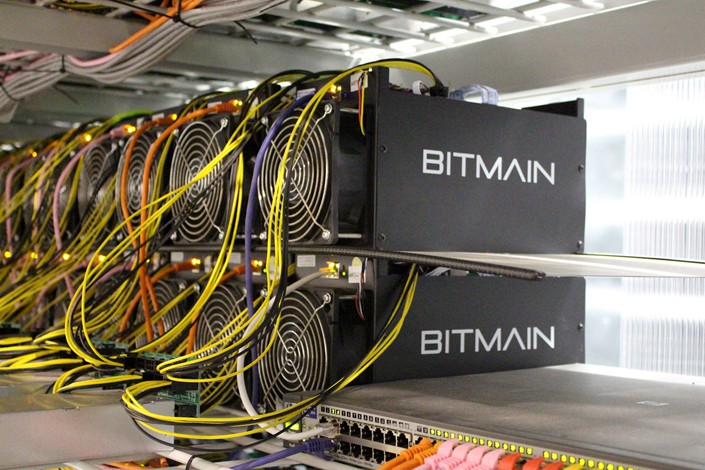
The hardware you choose will depend on the cryptocurrency you want to mine and your budget. If you're just starting out, you might want to try GPU mining. If you're serious about mining, you might consider investing in an ASIC miner.
- GPU Mining: Research the best GPUs for mining, considering their hash rate and power consumption.
- ASIC Mining: Make sure the ASIC miner is compatible with the cryptocurrency you want to mine.
3. Set Up a Cryptocurrency Wallet
You'll need a place to store your mined cryptocurrency. A cryptocurrency wallet is like a digital bank account where you can receive, store, and send your coins.
- Types of Wallets: Consider hardware wallets, software wallets, or exchange wallets, each with different security and convenience levels.
4. Join a Mining Pool (Optional but Recommended)
A mining pool is a group of miners who combine their computing power to increase their chances of solving a block and earning rewards. When a pool solves a block, the rewards are distributed among the miners based on their contribution.
- Benefits: Smoother income stream and increased chances of earning rewards.
- Considerations: Pool fees and payout structure.
5. Install Mining Software
You'll need software to connect your hardware to the blockchain and start mining. There are many different mining software options available, depending on the cryptocurrency you're mining and your hardware.
- Popular Options: CGMiner, BFGMiner, and Claymore's Dual Ethereum Miner.
6. Configure Your Mining Software
Once you've installed your mining software, you'll need to configure it with your wallet address, pool information (if you're joining a pool), and hardware settings.
- Important Settings: Hash rate, fan speed, and power consumption.

7. Start Mining!
Congratulations, you're now a cryptocurrency miner! Monitor your mining activity and adjust your settings as needed to maximize your efficiency and profitability.
Optimizing Your Mining Operation
Mining isn't just about setting up your hardware and letting it run. It's about optimizing your operation to maximize your profits. Here are a few tips:
Cooling is Key
Mining hardware generates a lot of heat, which can damage your equipment and reduce its lifespan. Make sure you have adequate cooling in place to keep your hardware running efficiently.
- Options: Fans, liquid cooling, and air conditioning.
Monitor Your Electricity Costs
Electricity costs can be a significant expense for miners. Monitor your electricity consumption and consider ways to reduce it, such as using energy-efficient hardware or mining during off-peak hours.
Stay Updated
The world of cryptocurrency mining is constantly evolving. Stay up-to-date on the latest hardware, software, and mining techniques to remain competitive.
Legal and Tax Considerations
Before you start mining, be aware of the legal and tax implications in your jurisdiction. Some countries have banned or restricted cryptocurrency mining, while others have specific tax regulations for mined cryptocurrencies.
- Research: Consult with a legal or tax professional to ensure you comply with all applicable laws and regulations.
Cryptocurrency Mining: A Deeper Dive
To truly understand the intricacies of cryptocurrency mining, let's explore some key aspects in more detail.
Understanding Hash Rate
Hash rate is a measure of the computational power used to solve cryptographic puzzles. The higher the hash rate, the more likely you are to solve a block and earn rewards.
- Units: Hash rate is typically measured in hashes per second (H/s), kilohashes per second (KH/s), megahashes per second (MH/s), gigahashes per second (GH/s), and terahashes per second (TH/s).
The Role of Difficulty
Mining difficulty is a measure of how difficult it is to solve a block. The difficulty adjusts periodically to maintain a consistent block generation time. As more miners join the network, the difficulty increases, making it harder to solve blocks.
Proof-of-Work vs. Proof-of-Stake
Most cryptocurrencies use a consensus mechanism called Proof-of-Work (PoW), where miners compete to solve cryptographic puzzles. However, some cryptocurrencies are transitioning to Proof-of-Stake (PoS), where users stake their coins to validate transactions and earn rewards.
- PoW: Requires significant computational power.
- PoS: Requires holding and staking coins.
Table: Comparing Mining Methods
| Feature | CPU Mining | GPU Mining | ASIC Mining | Cloud Mining |
|---|---|---|---|---|
| Initial Investment | Low | Medium | High | Low |
| Electricity Costs | Low | Medium | High | N/A |
| Profitability | Very Low | Low to Medium | High | Low to Medium |
| Technical Knowledge | Low | Medium | High | Low |
| Ease of Setup | Easy | Moderate | Difficult | Easy |
FAQ: Your Cryptocurrency Mining Questions Answered
Still have questions about cryptocurrency mining? Here are some frequently asked questions:
Q: Is cryptocurrency mining legal?
A: The legality of cryptocurrency mining varies by country. Most countries allow it, but some have banned or restricted it. Always check your local laws before you start mining.
Q: How much does it cost to start mining cryptocurrency?
A: The cost depends on the type of mining you want to do. CPU mining is the cheapest, but it's not very profitable. GPU mining requires a decent GPU, which can cost several hundred dollars. ASIC mining is the most expensive, with miners costing thousands of dollars.
Q: How long does it take to mine one Bitcoin?
A: Mining one Bitcoin solo is extremely difficult and can take a very long time, even with powerful hardware. That's why most miners join mining pools to increase their chances of earning rewards.
Q: What is a mining pool, and how does it work?
A: A mining pool is a group of miners who combine their computing power to increase their chances of solving a block. When the pool solves a block, the rewards are distributed among the miners based on their contribution.
Q: What are the risks of cryptocurrency mining?
A: The risks include high initial investment, electricity costs, technical knowledge required, competition, and the volatility of cryptocurrency prices. There's also the risk of scams, especially with cloud mining.
Q: Can I mine cryptocurrency on my phone?
A: While there are some mobile mining apps, they are generally not profitable. The computing power of smartphones is too limited to effectively mine most cryptocurrencies.
Conclusion: Is Mining in Your Future?
Cryptocurrency mining can be a rewarding experience, both financially and intellectually. However, it's not a get-rich-quick scheme. It requires careful planning, investment, and ongoing maintenance. If you're willing to put in the work, mining can be a great way to participate in the cryptocurrency revolution.
So, are you ready to dig into the world of cryptocurrency mining? Start researching, experimenting, and learning. The digital gold rush awaits!