Get Cars for Your Rental Biz: A Step-by-Step Guide
So, you're dreaming of owning a car rental business, huh? That’s awesome! But before you can hand over the keys and watch the money roll in, you need… well, cars! Getting your hands on a fleet can feel like a Herculean task, but don’t sweat it. This guide will break down the process of how to get cars for your car rental business, making it as smooth as possible.
Funding Your Fleet: Where's the Money Coming From?
Before you even think about makes and models, you need to figure out how you're going to pay for these beauties. This is arguably the most crucial step.
Small Business Loans: The Classic Approach
Banks and credit unions offer small business loans specifically for entrepreneurs like you. They'll look at your business plan, credit score, and financial projections to determine if you're a good risk.
- Pros: Can provide a large sum of capital upfront.
- Cons: Requires a strong credit history and a detailed business plan. Interest rates can add up.
Leasing: Renting to Rent Out
Leasing cars is like renting them yourself, but with the intention of renting them again. This can be a great option if you're short on capital upfront.
- Pros: Lower initial costs, can get newer models more frequently.
- Cons: You don't own the cars, so you're building equity for someone else. Mileage restrictions and wear-and-tear penalties can be a pain.
Revenue Sharing: Partnering Up
Some dealerships or even individual car owners might be open to a revenue-sharing agreement. You provide the business and the customers, they provide the cars, and you split the profits.
- Pros: Minimal upfront investment, potential for a strong partnership.
- Cons: Requires trust and a well-defined agreement. Less control over the vehicles.
Personal Savings: The Bootstrap Method
If you've been diligently saving, using your own funds is a straightforward option.
- Pros: No interest payments, full ownership from the start.
- Cons: Can deplete your personal savings, limiting your financial flexibility.
Online Lending Platforms: The Modern Twist
Platforms like LendingClub or Funding Circle offer loans to small businesses. They often have less stringent requirements than traditional banks.
- Pros: Faster application process, potentially higher approval rates.
- Cons: Interest rates can be higher than traditional loans.
Sourcing Your Cars: Where to Find Your Wheels
Okay, you've got the funding sorted. Now, where do you actually find the cars?
Dealerships: New Car Smell, Guaranteed
Buying directly from dealerships gives you access to the latest models with full warranties.
- Pros: New vehicles, warranty coverage, potential for bulk discounts.
- Cons: Higher initial cost, faster depreciation.
Auctions: The Thrill of the Bid
Car auctions can be a goldmine for finding vehicles at lower prices. But beware, you need to know what you're doing!

- Pros: Potential for significant cost savings.
- Cons: Risk of buying lemons, requires careful inspection and knowledge.
Wholesalers: The Middlemen
Wholesalers buy cars in bulk and sell them to smaller businesses. They can offer competitive pricing.
- Pros: Access to a variety of vehicles, potential for bulk discounts.
- Cons: May not offer the same level of customer service as dealerships.
Private Sellers: The Risky Route
Buying from individuals can sometimes yield a good deal, but it comes with risks.
- Pros: Potential for lower prices.
- Cons: Increased risk of mechanical problems, no warranty, requires thorough inspection.
Rental Car Companies: Buying from the Competition
Ironically, you can often buy used cars directly from established rental car companies. They regularly update their fleets.
- Pros: Well-maintained vehicles, transparent history.
- Cons: Higher mileage, may show signs of wear and tear.
Building Your Fleet: What Kind of Cars Should You Get?
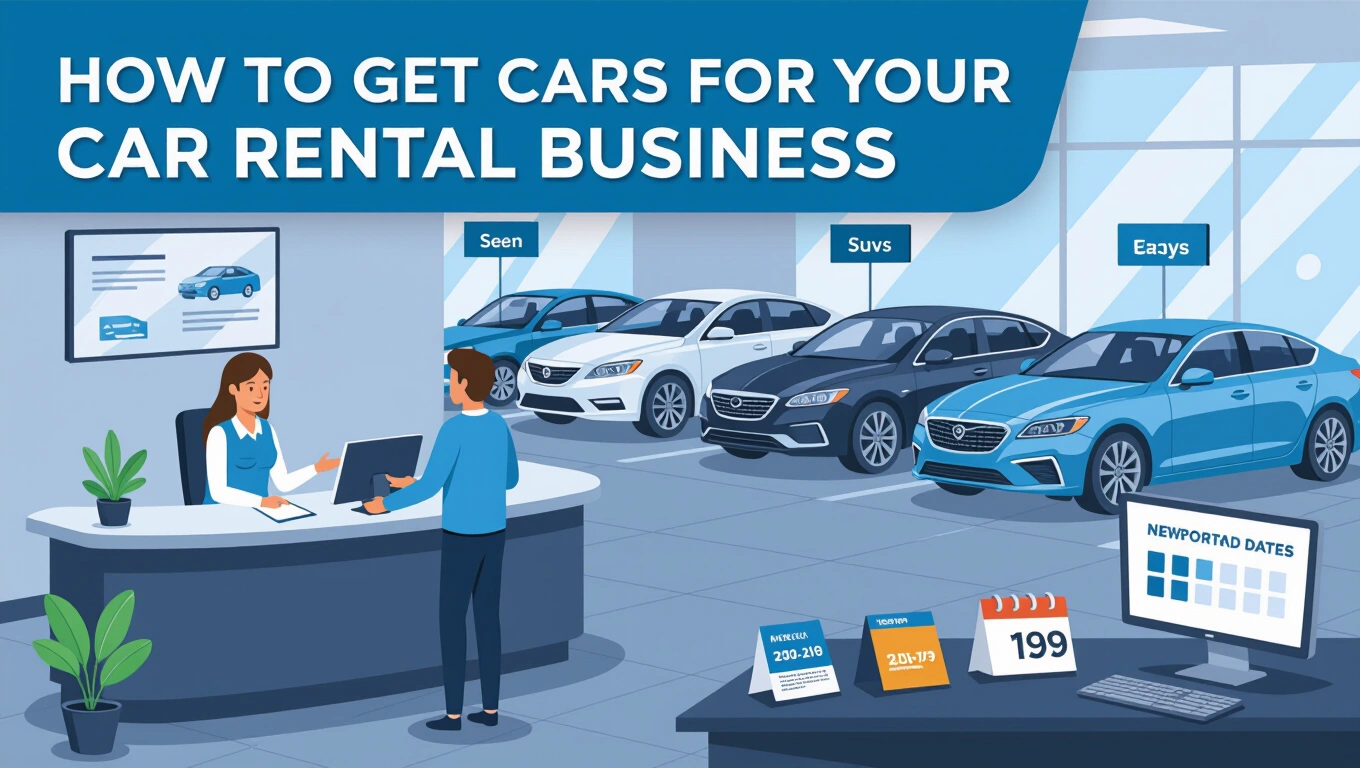
Not all cars are created equal when it comes to rental businesses. Think about your target market and the types of rentals you want to offer.
Economy Cars: The Budget-Friendly Option

These are your bread-and-butter rentals, appealing to budget-conscious travelers. Think Toyota Corollas, Honda Civics, and Nissan Versas. They are fuel-efficient and reliable.
Sedans: The Versatile Choice
Mid-size sedans like Toyota Camrys and Honda Accords offer a good balance of comfort and fuel economy.
SUVs: The Family Favorite
SUVs are perfect for families or groups needing extra space. Consider models like the Ford Explorer or Toyota Highlander.
Luxury Cars: The Premium Experience
Offering luxury vehicles like BMWs or Mercedes-Benzes can attract a high-end clientele willing to pay more.
Trucks: The Workhorse
If you're targeting customers who need to haul cargo, consider adding pickup trucks to your fleet.
Here's a simple table to help you visualize potential fleet composition:
| Vehicle Type | Target Audience | Pros | Cons |
|---|---|---|---|
| Economy Cars | Budget Travelers | Fuel-efficient, affordable | Less comfortable, less space |
| Sedans | Business Travelers, Small Families | Good balance of comfort and fuel economy | Not ideal for large groups |
| SUVs | Families, Groups | Spacious, versatile | Lower fuel economy, higher cost |
| Luxury Cars | High-End Clients | Premium experience, higher rental rates | Higher maintenance costs, faster depreciation |
| Trucks | Hauling Needs | Can haul heavy loads, durable | Lower fuel economy, less comfortable |
Managing Your Fleet: Keeping Your Cars on the Road
Once you have your fleet, you need to keep it in tip-top shape!

Regular Maintenance: The Key to Longevity
Schedule regular oil changes, tire rotations, and other maintenance to prevent costly repairs down the road.
Tracking Systems: Keeping an Eye on Your Assets
GPS tracking systems can help you monitor the location of your vehicles, prevent theft, and track mileage.
Insurance: Protecting Your Investment
Make sure you have adequate insurance coverage to protect against accidents, theft, and other liabilities.
Cleaning and Detailing: Making a Great Impression
Presenting clean and well-maintained vehicles is crucial for customer satisfaction.
Frequently Asked Questions (FAQs)
Alright, let's tackle some common questions you might have:
Q: How many cars do I need to start a car rental business?
A: There's no magic number, but starting with 5-10 cars is a good starting point. This allows you to offer a variety of options and manage demand effectively.
Q: Is it better to buy new or used cars for a rental business?
A: Both have their pros and cons. New cars offer warranties and lower maintenance costs initially, but they depreciate faster. Used cars are cheaper upfront but may require more maintenance. Consider your budget and risk tolerance.
Q: What are the most reliable car brands for rental businesses?
A: Toyota, Honda, and Nissan are known for their reliability and low maintenance costs. These are generally good choices for a rental fleet.
Q: How do I determine the rental rates for my cars?
A: Research the competition in your area and consider factors like the vehicle's age, mileage, and features. You can also use online tools to help you calculate rental rates.
Q: What type of insurance do I need for a car rental business?
A: You'll need commercial auto insurance, liability insurance, and potentially umbrella insurance to protect against various risks. Consult with an insurance professional to determine the right coverage for your business.
Q: How often should I replace my rental cars?
A: A good rule of thumb is to replace your cars every 3-5 years, or when they reach a certain mileage threshold (e.g., 100,000 miles). This helps maintain a modern fleet and minimize maintenance costs.
Conclusion
So there you have it! Getting cars for your car rental business is a multi-faceted process that requires careful planning and execution. But with the right funding, sourcing strategy, and fleet management practices, you can build a successful car rental empire. Now go out there and start your engines! And remember, always prioritize customer satisfaction and safety. What are you waiting for? Let’s make some magic happen!