Start a Rubbish Removal Business: Your Step-by-Step Guide
So, you're thinking about starting a rubbish removal business? Awesome! It's a dirty job, but someone's gotta do it, right? Plus, it can be surprisingly profitable. This guide will walk you through everything you need to know to get your business up and running. Let's dive in!
Why Start a Rubbish Removal Business?
Before we get into the "how," let's talk about the "why." The demand for rubbish removal is constant. People accumulate junk, and they need someone to haul it away. Whether it's old furniture, construction debris, or just general clutter, there's always a need for your services. Plus, the startup costs can be relatively low compared to other businesses. You don't need a fancy office or a huge inventory.
Step-by-Step Guide to Starting Your Rubbish Removal Business
Okay, let's get down to business. Here's a step-by-step guide to starting your own rubbish removal empire:
1. Market Research and Planning
Identify Your Target Market
Who are you going to serve? Homeowners? Businesses? Construction sites? Each market has different needs and requires different approaches. For example, homeowners might need help with spring cleaning, while construction sites need regular debris removal.
Analyze the Competition
Take a look at who else is offering rubbish removal services in your area. What are their strengths and weaknesses? What are they charging? How can you differentiate yourself? Maybe you can offer eco-friendly disposal or specialize in a particular type of waste.
Develop a Business Plan
This is crucial. Your business plan should outline your goals, strategies, and how you plan to achieve them. Include details like your target market, pricing, marketing plan, and financial projections. Don't skip this step – it's your roadmap to success.
2. Legal and Regulatory Requirements
Register Your Business
Choose a business structure (sole proprietorship, LLC, etc.) and register your business name. This protects you legally and allows you to operate officially.
Obtain Necessary Licenses and Permits
Depending on your location, you might need specific licenses and permits to operate a rubbish removal business. Check with your local and state authorities to ensure you're in compliance.
Insurance
Liability insurance is a must. It protects you from potential lawsuits if someone gets injured on your property or if you damage something while removing junk. You might also need commercial auto insurance for your vehicle.
3. Equipment and Supplies
Vehicle
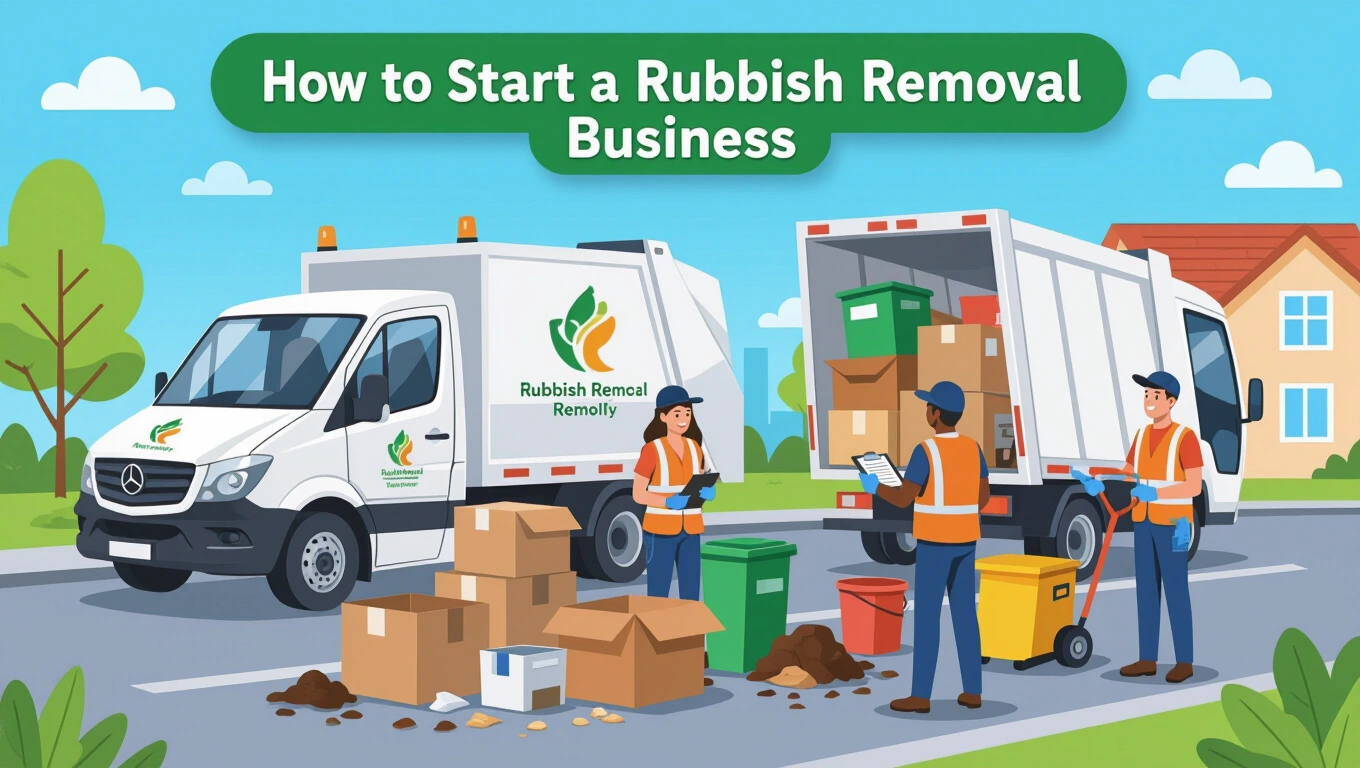
This is your most important asset. You'll need a reliable truck or van to haul away rubbish. Consider the size and type of vehicle you'll need based on the types of jobs you plan to handle. A pickup truck might be fine for small jobs, but a larger truck with a dump bed is better for bigger projects.
Tools and Supplies
- Gloves: Protect your hands from dirt and sharp objects.
- Safety Glasses: Essential for protecting your eyes.
- Shovels and Rakes: For gathering loose debris.
- Brooms: For sweeping up after the job.
- Trash Bags: Heavy-duty bags for smaller items.
- Straps and Ropes: For securing loads.
- Wheelbarrow: Makes moving heavy items easier.
4. Setting Your Prices
Cost-Plus Pricing

Calculate your costs (fuel, labor, disposal fees, etc.) and add a markup to determine your prices. This ensures you're covering your expenses and making a profit.
Competitive Pricing
Research what your competitors are charging and price your services competitively. You might offer slightly lower prices to attract customers initially.
Value-Based Pricing
Charge based on the value you provide to the customer. If you're offering a premium service (e.g., same-day removal, eco-friendly disposal), you can charge more.
Here’s a simple table to illustrate:
| Pricing Strategy | Description | Pros | Cons |
|---|---|---|---|
| Cost-Plus Pricing | Calculate costs and add a markup. | Ensures you cover expenses and make a profit. | May not be competitive. |
| Competitive Pricing | Research competitors and price accordingly. | Attracts customers with lower prices. | Can cut into profits. |
| Value-Based Pricing | Charge based on the value provided (e.g., eco-friendly disposal). | Higher profit margins for premium services. | Requires strong marketing to justify higher prices. |
5. Marketing and Sales
Create a Website
A professional website is essential for attracting customers online. Include information about your services, pricing, and contact details.
Social Media
Use social media platforms like Facebook, Instagram, and Twitter to promote your business. Share before-and-after photos of your work, offer discounts, and engage with your audience.
Local SEO
Optimize your website and online listings for local search. This ensures that people in your area can find you when they search for rubbish removal services.

Networking
Attend local events and join community groups to network with potential customers and partners.
Flyers and Business Cards
Distribute flyers and business cards in your local area to reach people who might not be online.
6. Operations and Customer Service
Scheduling and Logistics
Develop a system for scheduling jobs and managing your routes efficiently. Use software or apps to track your appointments and optimize your routes.
Customer Communication
Communicate clearly with your customers about their needs, your pricing, and your arrival time. Provide excellent customer service to build a loyal customer base.
Disposal
Know where you can legally dispose of different types of rubbish. Establish relationships with local landfills, recycling centers, and donation centers.
Common Mistakes to Avoid
- Underpricing Your Services: Don't underestimate your costs. Make sure you're charging enough to cover your expenses and make a profit.
- Ignoring Safety: Rubbish removal can be dangerous. Always wear appropriate safety gear and follow safety protocols.
- Poor Customer Service: Treat your customers with respect and professionalism. A happy customer is more likely to recommend you to others.
- Neglecting Marketing: You need to actively market your business to attract customers. Don't rely solely on word-of-mouth.
- Not Having Insurance: Operating without insurance is a huge risk. Protect yourself from potential lawsuits and liabilities.
Scaling Your Business

Once you've established a solid customer base, you can start thinking about scaling your business. Here are a few ideas:
- Hire Employees: Expand your team to handle more jobs.
- Add More Trucks: Increase your capacity by adding more vehicles to your fleet.
- Expand Your Service Area: Offer your services in new areas.
- Specialize Your Services: Focus on a niche market, such as construction debris removal or eco-friendly disposal.
FAQ Section
1. How much does it cost to start a rubbish removal business?
Startup costs can vary widely depending on factors like the type of truck you buy, insurance costs, and marketing expenses. Generally, you can expect to invest anywhere from $2,000 to $10,000 to get started. A significant portion of this will be for a reliable vehicle.
2. What kind of truck do I need?
The type of truck you need depends on the type of rubbish you plan to remove. A pickup truck might be sufficient for small jobs, but a larger truck with a dump bed is better for bigger projects. Consider purchasing a used truck to save money initially.
3. How do I find customers?
Marketing is key to finding customers. Create a professional website, use social media, optimize your online listings for local search, and distribute flyers and business cards in your local area. Networking with local businesses and community groups can also be effective.
4. How much can I charge for rubbish removal services?
Pricing depends on factors like the volume of rubbish, the type of rubbish, and your location. Research what your competitors are charging and price your services competitively. Consider offering different pricing options, such as hourly rates or flat fees.
5. What are the legal requirements for starting a rubbish removal business?
Legal requirements vary depending on your location. You'll need to register your business, obtain necessary licenses and permits, and obtain liability insurance. Check with your local and state authorities to ensure you're in compliance.
6. Is rubbish removal a profitable business?
Yes, rubbish removal can be a profitable business. The demand for rubbish removal services is constant, and the startup costs can be relatively low. By providing excellent customer service and marketing your business effectively, you can build a successful and profitable rubbish removal business.
7. Do I need a special license to haul trash?
It depends on your location. Some areas require a special license or permit to haul trash, especially if you're transporting hazardous materials. Check with your local and state environmental agencies to determine the specific requirements in your area.
8. How do I handle hazardous waste?
Handling hazardous waste requires special training and permits. If you plan to handle hazardous waste, you'll need to comply with all applicable regulations and ensure that you have the necessary equipment and training. Consider partnering with a specialized hazardous waste disposal company.
9. What are some ways to differentiate my rubbish removal business?
To stand out from the competition, consider offering unique services such as eco-friendly disposal, same-day removal, or specializing in a particular type of waste. Providing excellent customer service and building a strong reputation can also help you differentiate your business.
10. How do I ensure safety in my rubbish removal business?
Safety is paramount in the rubbish removal business. Always wear appropriate safety gear, such as gloves and safety glasses. Train your employees on proper lifting techniques and safety protocols. Regularly inspect your equipment and vehicles to ensure they are in good working condition.
Starting a rubbish removal business can be a rewarding and profitable venture. By following these steps, you'll be well on your way to building a successful business. Remember, hard work, dedication, and a commitment to customer service are key to long-term success. Now get out there and start hauling!