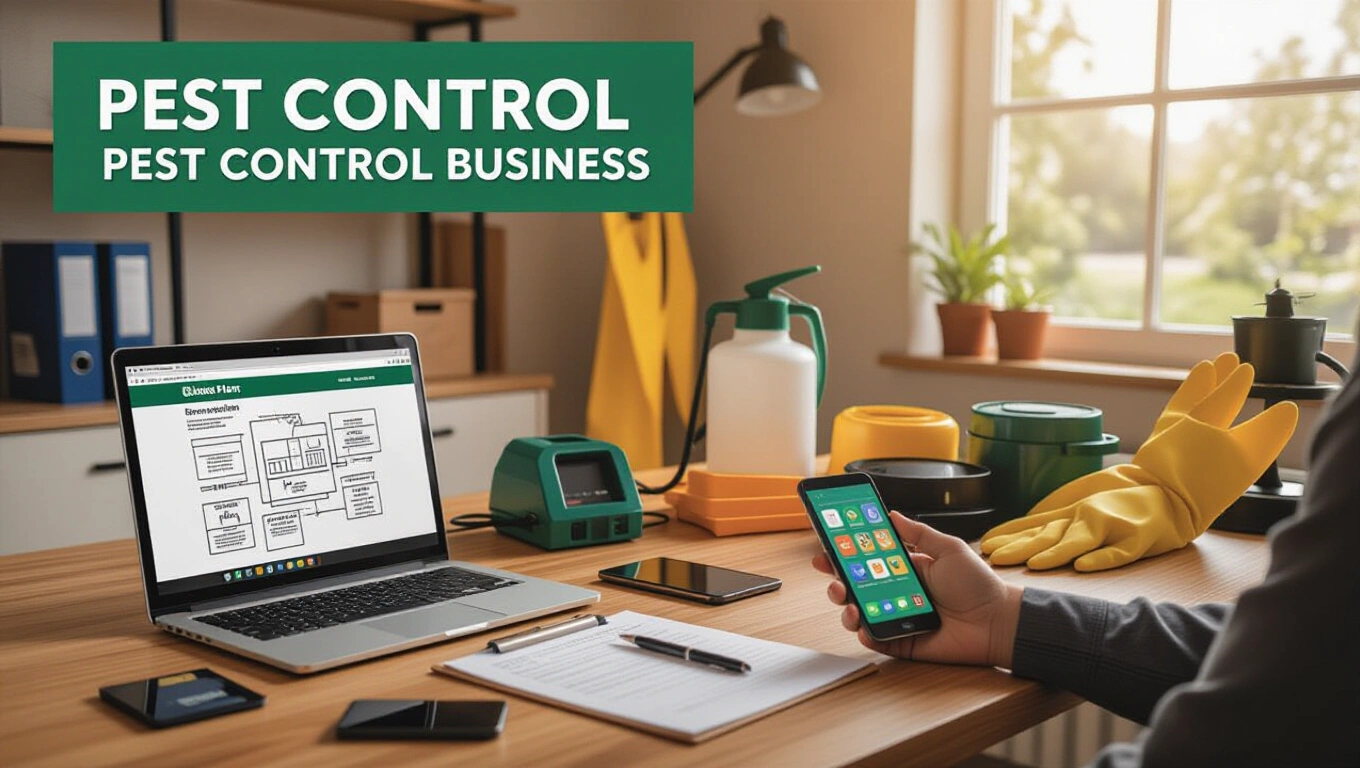
Start a Pest Control Business: Your Step-by-Step Guide
So, you're thinking about starting a pest control business? Awesome! It's a field where you can genuinely help people while building a solid career for yourself. Let's break down how to make it happen, step by step.
Laying the Groundwork: Planning and Preparation
Before you even think about spraying your first bug, you need a solid plan. Think of it as building the foundations of a sturdy house – you wouldn't skip that part, would you?
Crafting Your Business Plan
A business plan isn't just some boring document to show a bank. It's your roadmap to success. It outlines your goals, strategies, and how you plan to achieve them.
- Executive Summary: A brief overview of your entire plan. Think of it as the movie trailer for your business.
- Company Description: What makes your business unique? What problems are you solving?
- Market Analysis: Who are your customers? Who are your competitors? What are the market trends?
- Service Offerings: What services will you offer? General pest control? Termite inspections? Rodent removal?
- Marketing and Sales Strategy: How will you attract customers? Advertising? Social media? Word of mouth?
- Financial Projections: How much money will you need to start? What are your projected revenues and expenses?
Understanding Your Target Market
Think about where you want to operate. Are you focusing on residential areas, commercial properties, or both? Different areas have different pest issues. A fancy restaurant will have different pest concerns than a suburban home. Knowing this will help you tailor your services and marketing efforts.
Legally Bug-Free: Licenses, Insurance, and Regulations
You can't just grab a sprayer and start knocking on doors. You need to be legit.
Securing Necessary Licenses and Permits
Pest control is heavily regulated. You'll need licenses and permits at both the state and local levels. Requirements vary, so do your homework! Contact your state's pest control regulatory agency for specific information.
Insurance: Protecting Your Business
Imagine accidentally damaging a client's prized rose bushes while spraying for aphids. Ouch! That's where insurance comes in. You'll need:
- General Liability Insurance: Covers property damage or bodily injury.
- Professional Liability Insurance (Errors and Omissions): Protects you from claims of negligence or mistakes.
- Commercial Auto Insurance: Covers your vehicles.
- Worker's Compensation Insurance: If you have employees, this covers their medical expenses and lost wages if they get injured on the job.
Compliance with Environmental Regulations
Pesticides are serious stuff. You need to handle them safely and responsibly. The Environmental Protection Agency (EPA) sets regulations for pesticide use. Make sure you understand and follow them.
Gearing Up: Equipment and Supplies
You can't fight pests empty-handed. You'll need the right tools for the job.
Essential Pest Control Equipment
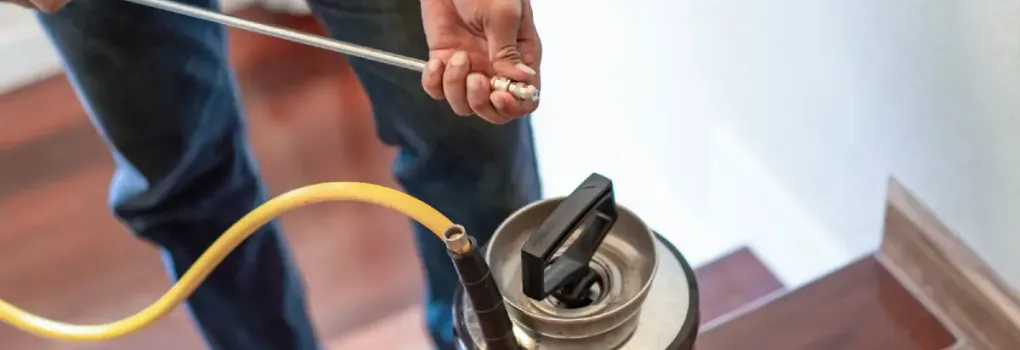
- Sprayers: Handheld, backpack, and power sprayers.
- Dusting Equipment: For applying dust insecticides in hard-to-reach areas.
- Traps: For rodents, insects, and other pests.
- Protective Gear: Gloves, respirators, eye protection, and coveralls. Safety first!
- Inspection Tools: Flashlights, moisture meters, and borescopes.

Sourcing Quality Pesticides and Chemicals
Don't skimp on pesticides. Use high-quality products from reputable suppliers. Make sure you're using the right product for the right pest, and always follow the label instructions.
Vehicle and Transportation Considerations
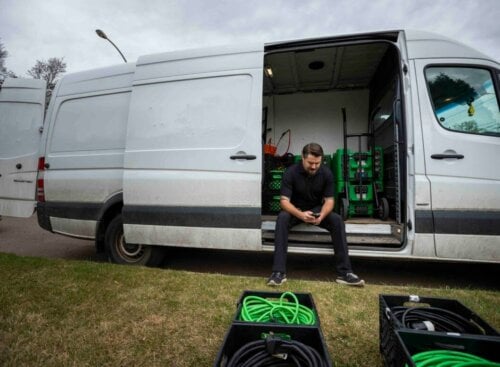
A reliable vehicle is essential. You'll need something that can carry your equipment and supplies safely. Consider a van or truck with secure storage. And don't forget to get it properly insured and branded with your company logo!
Building Your Brand: Marketing and Customer Acquisition
Now that you're licensed, insured, and geared up, it's time to get some customers.
Creating a Memorable Brand Identity
Your brand is more than just a logo. It's your reputation. It's what people think of when they hear your company name.
- Name: Choose a name that's easy to remember and reflects your values.
- Logo: A professional logo helps you stand out.
- Slogan: A catchy slogan that communicates your unique selling proposition.
Effective Marketing Strategies
- Website: A professional website is essential. Make sure it's mobile-friendly and easy to navigate.
- Search Engine Optimization (SEO): Optimize your website and content for search engines like Google. This helps people find you when they search for "pest control near me."
- Social Media Marketing: Use social media to connect with potential customers and build your brand.
- Local Advertising: Consider local newspapers, radio, and community events.
- Referral Programs: Encourage satisfied customers to refer their friends and family.
Providing Excellent Customer Service
Word-of-mouth is powerful. Providing excellent customer service is the best way to build a loyal customer base. Be responsive, professional, and always go the extra mile. Happy customers will tell their friends, and that's free advertising!
Pricing and Operations
Let’s talk about money and how you’ll run things day-to-day.
Setting Competitive Prices
Research what your competitors are charging, but don’t just undercut them. Factor in your costs, experience, and the value you bring. Offer different packages to meet different needs and budgets.
Scheduling and Route Optimization
Efficient scheduling and route optimization can save you time and money. Use software or apps to manage appointments and plan the most efficient routes.
Managing Finances and Administration
Keep track of your income and expenses. Use accounting software or hire a bookkeeper. Stay organized and pay your taxes on time. Nobody wants to tangle with the taxman!
Growing Your Business
You’ve got the basics down. Now, how do you take it to the next level?
Expanding Service Offerings
Consider offering additional services, such as termite inspections, wildlife removal, or lawn care. This can increase your revenue and attract new customers.
Hiring and Training Employees
As your business grows, you may need to hire employees. Look for people who are reliable, hardworking, and have a good attitude. Provide thorough training on pest control techniques, safety procedures, and customer service.
Staying Updated on Industry Trends
The pest control industry is constantly evolving. New products, techniques, and regulations are always emerging. Stay updated by attending industry conferences, reading trade publications, and taking continuing education courses.
FAQs About Starting a Pest Control Business
Let's tackle some common questions.
1. How much does it cost to start a pest control business?
Startup costs vary, but you can expect to spend anywhere from $10,000 to $50,000. This includes licenses, insurance, equipment, vehicle, and marketing expenses.
2. Do I need prior experience to start a pest control business?
While not always required, prior experience is highly recommended. Consider working for an established pest control company to gain valuable knowledge and skills.
3. What are the most common pests that pest control businesses deal with?
Common pests include ants, roaches, rodents, termites, bed bugs, and mosquitoes.
4. How can I attract new customers to my pest control business?
Effective marketing strategies include a professional website, SEO, social media marketing, local advertising, and referral programs.
5. What are the key factors for success in the pest control industry?
Key factors include providing excellent customer service, using high-quality products, staying updated on industry trends, and managing your finances effectively.
Starting a pest control business takes hard work, dedication, and a bit of bug-fighting spirit. But with a solid plan, the right tools, and a commitment to customer satisfaction, you can build a successful and rewarding career. Now go out there and make a difference, one pest at a time!