
Start a Concrete Business: Your Step-by-Step Guide
So, you're thinking about starting a concrete business? Awesome! It's a solid (pun intended!) industry with plenty of opportunities. But where do you begin? Don't worry, this guide will walk you through everything you need to know to get your concrete business off the ground and pouring profits.
Laying the Foundation: Planning Your Concrete Business
Before you start mixing cement, you need a solid business plan. This is your blueprint for success. Think of it as the rebar that holds your business together.
Defining Your Niche
What type of concrete work will you specialize in? Consider these options:
- Residential: Driveways, patios, sidewalks, foundations.
- Commercial: Parking lots, building slabs, industrial flooring.
- Decorative: Stamped concrete, stained concrete, concrete countertops.
- Repair and Restoration: Fixing cracks, patching, resurfacing.
Choosing a niche helps you focus your marketing efforts and become an expert in a specific area. Are you more interested in the artistic side, creating beautiful stamped patios? Or do you prefer the large-scale, heavy-duty work of commercial projects? Maybe you enjoy the challenge of breathing new life into old, cracked concrete.
Market Research: Knowing Your Territory
Who are your competitors? What are their strengths and weaknesses? What are the local market needs? Understanding your market is crucial.
- Identify your target customers: Homeowners, contractors, businesses?
- Analyze your competition: What are their prices, services, and reputations?
- Research local regulations and permits: Zoning laws, environmental regulations.
Imagine you're trying to sell snow shovels in Miami. Not a great idea, right? Market research helps you avoid similar mistakes and ensures there's actually demand for your services.
Business Structure: Choosing Your Legal Foundation
Will you be a sole proprietorship, partnership, LLC, or corporation? Each structure has different legal and tax implications. Consult with a lawyer and accountant to determine the best option for you.
| Business Structure | Advantages | Disadvantages |
|---|---|---|
| Sole Proprietorship | Simple to set up, owner retains all profits. | Owner is personally liable for all business debts. |
| Partnership | Easy to establish with shared resources and expertise. | Partners share liability and disagreements can arise. |
| LLC | Limited personal liability, flexible management structure. | More complex setup than sole proprietorship or partnership. |
| Corporation | Separate legal entity, easier to raise capital. | More complex regulations and higher compliance costs. |
Think of your business structure as the legal framework that protects you and your assets. Choose wisely!
Gathering Your Tools and Resources
You can't pour concrete with your bare hands (trust us, we've tried!). You'll need the right equipment and materials.
Essential Equipment
- Concrete Mixer: The heart of your operation.
- Wheelbarrows: For transporting concrete.
- Shovels and Rakes: For spreading and leveling.
- Floats and Trowels: For finishing the surface.
- Safety Gear: Gloves, boots, eye protection, and respirators are non-negotiable.
Don't skimp on safety gear! Concrete work can be tough and potentially hazardous. Protecting yourself is the best investment you can make.
Sourcing Materials
Establish relationships with reliable suppliers for:
- Cement: The key ingredient.
- Aggregates: Sand, gravel, and crushed stone.
- Water: Clean and potable.
- Additives: Accelerators, retarders, and air-entraining agents.
Shop around and compare prices to get the best deals. Building strong relationships with your suppliers can also lead to better service and preferential treatment.
Finding Your Crew (If Needed)
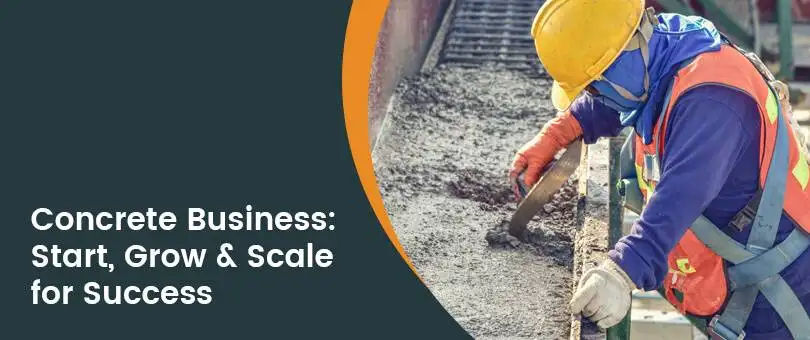
Will you be a one-person show, or will you need a team? If you need help, hire experienced and reliable workers.
- Look for individuals with concrete experience: Finishing, mixing, and forming.
- Check references and conduct background checks: Ensure you're hiring trustworthy people.
- Provide proper training and safety instructions: A well-trained crew is a safe and efficient crew.
Remember, your crew is a reflection of your business. Hire people who are skilled, hardworking, and share your commitment to quality.
Marketing Your Concrete Business: Spreading the Word
No one will hire you if they don't know you exist! Effective marketing is essential for attracting customers.
Building a Website and Online Presence
- Create a professional website: Showcase your services, portfolio, and contact information.
- Utilize social media: Share photos of your work, engage with potential customers, and run targeted ads.
- List your business on online directories: Yelp, Google My Business, etc.
In today's digital age, a strong online presence is crucial. Think of your website as your virtual storefront. Make it appealing and easy to navigate.
Networking and Referrals
- Attend industry events and trade shows: Meet potential clients and partners.
- Join local business organizations: Build relationships and generate referrals.
- Offer incentives for referrals: Reward existing customers for bringing in new business.
Word-of-mouth marketing is powerful. Happy customers are your best salespeople.
Traditional Marketing Methods
- Print advertising: Local newspapers, magazines, and directories.
- Direct mail: Flyers and postcards to targeted neighborhoods.
- Signage: Yard signs and vehicle wraps.
Don't underestimate the power of traditional marketing. Sometimes, the old-fashioned methods are still the most effective.
Managing Your Finances: Keeping Track of the Green
Running a business is about more than just pouring concrete. You need to manage your finances effectively.
Setting Prices and Estimating Costs
- Calculate your material costs: Cement, aggregates, additives.
- Factor in labor costs: Wages, benefits, and payroll taxes.
- Consider overhead expenses: Rent, utilities, insurance, and marketing.
- Add a profit margin: Ensure you're making enough money to cover your expenses and grow your business.
Don't undervalue your services! Price your work competitively but also fairly. Remember, you're providing a valuable service.
Managing Cash Flow
- Track your income and expenses: Use accounting software or hire a bookkeeper.
- Invoice promptly and follow up on late payments: Don't let money slip through the cracks.
- Maintain a healthy cash reserve: Be prepared for unexpected expenses.
Cash flow is the lifeblood of your business. Manage it carefully to avoid financial problems.
Securing Funding (If Needed)
- Small business loans: Banks, credit unions, and online lenders.
- Grants: Government programs and private foundations.
- Investors: Friends, family, or venture capitalists.
Don't be afraid to seek outside funding if you need it. Just make sure you understand the terms and conditions before you borrow money.
Staying Compliant: Following the Rules

Operating a concrete business requires adhering to various regulations and permits.
Obtaining Licenses and Permits
- Business license: Required by most cities and counties.
- Contractor's license: May be required depending on the type of work you do.
- Environmental permits: For handling and disposing of concrete waste.
Failure to comply with regulations can result in fines and penalties. Make sure you're operating legally.
Insurance Coverage
- General liability insurance: Protects you from lawsuits related to property damage or bodily injury.
- Workers' compensation insurance: Covers medical expenses and lost wages for employees injured on the job.
- Commercial auto insurance: Covers vehicles used for business purposes.
Insurance is a necessary expense. It protects you from potentially devastating financial losses.
Safety Regulations
- OSHA compliance: Follow safety regulations to protect your workers and avoid fines.
- Proper equipment maintenance: Regularly inspect and maintain your equipment to prevent accidents.
- Safety training: Provide your employees with comprehensive safety training.
Safety should always be your top priority. A safe workplace is a productive workplace.
FAQ: Your Concrete Business Questions Answered
Still have questions? Here are some common ones:
-
How much does it cost to start a concrete business?
The cost varies depending on the scale of your operation, equipment needs, and location. You can expect to spend anywhere from $5,000 to $50,000 or more. -
What are the most profitable concrete services?
Decorative concrete, such as stamped patios and concrete countertops, often have higher profit margins. Commercial projects can also be lucrative, but they require more resources and expertise. -
How do I get my first concrete jobs?
Start by networking with contractors and real estate agents. Offer competitive pricing and excellent service to build a strong reputation. Don't be afraid to start small and work your way up. -
What are the biggest challenges in the concrete business?
Weather conditions, material price fluctuations, and competition can be challenging. Effective planning, cost management, and marketing are essential for overcoming these obstacles. -
Do I need prior experience to start a concrete business?
While not always required, prior experience is highly recommended. Understanding concrete mixing, pouring, and finishing techniques is crucial for providing quality work. Consider working as an apprentice or taking courses to gain the necessary skills. -
How can I ensure my concrete work is durable and long-lasting?
Use high-quality materials, follow proper mixing and pouring techniques, and ensure proper curing. Adequate preparation of the subgrade is also essential. Investing in quality workmanship will pay off in the long run. -
What type of insurance is a must-have for a concrete business?
General liability insurance is a must-have to protect against property damage or bodily injury claims. Workers' compensation insurance is crucial if you have employees, and commercial auto insurance is necessary for any vehicles used for business purposes. -
How do I handle customer complaints or disputes?
Address complaints promptly and professionally. Listen to the customer's concerns, offer a fair resolution, and document everything. Building a reputation for excellent customer service can prevent future disputes. -
What are some common mistakes to avoid when starting a concrete business?
Underestimating costs, neglecting marketing, failing to obtain proper licenses and insurance, and not prioritizing safety are common mistakes. Thorough planning and preparation can help you avoid these pitfalls. -
How do I stay updated with the latest trends and techniques in the concrete industry?
Attend industry trade shows, read trade publications, and take continuing education courses. Networking with other professionals and staying active in industry associations can also keep you informed.
Conclusion: Pouring Your Way to Success
Starting a concrete business requires hard work, dedication, and a solid plan. But with the right preparation and execution, you can build a thriving and profitable enterprise. So, grab your tools, mix your cement, and start pouring your way to success!
Ready to take the next step? What are you waiting for? Start planning your concrete business today! And don't forget to share this guide with anyone else who's dreaming of building a concrete empire. Good luck!