
Start a Home Bakery: Your Step-by-Step Guide
So, you’ve got a craving to turn your kitchen into a kingdom of cakes, cookies, and all things delicious? Starting a bakery business from home sounds like a sweet dream, right? Well, you're in the right place! Let's dive into how you can transform that dream into a delectable reality. Get ready to roll up your sleeves – and maybe preheat that oven!
Turning Your Kitchen into a Bakery: A Step-by-Step Guide
1. Bake Up a Business Plan
Think of a business plan as your recipe for success. It’s more than just jotting down ideas; it’s about creating a roadmap.
- Define Your Niche: Are you the queen of cupcakes, the master of macarons, or the wizard of wedding cakes?
- Market Analysis: Scope out the competition. What are other home bakers offering? What are they charging? How can you stand out?
- Target Audience: Who are you selling to? Busy parents? Event planners? Coffee shops?
- Financial Projections: Crunch those numbers! Estimate your startup costs, pricing, and potential profits. Don't forget to factor in ingredients, packaging, and marketing.
2. Legal-ease: Permits and Licenses
Okay, this isn't as fun as frosting, but it's crucial. Regulations vary widely, so buckle up and do your homework.
- Local Health Department: Contact them to find out about food handling permits and kitchen inspections.
- Business License: You'll likely need a general business license to operate legally.
- Zoning Laws: Make sure your home baking operation complies with local zoning regulations.
- Cottage Food Laws: These laws allow you to make and sell certain food items from your home kitchen. Know them inside and out!
3. Kitchen Confidential: Setting Up Your Baking Space
Your kitchen is about to become your bakery HQ. Time to get organized!
- Separate Space: Ideally, you want a dedicated baking area, separate from your regular kitchen activities. This helps with hygiene and efficiency.
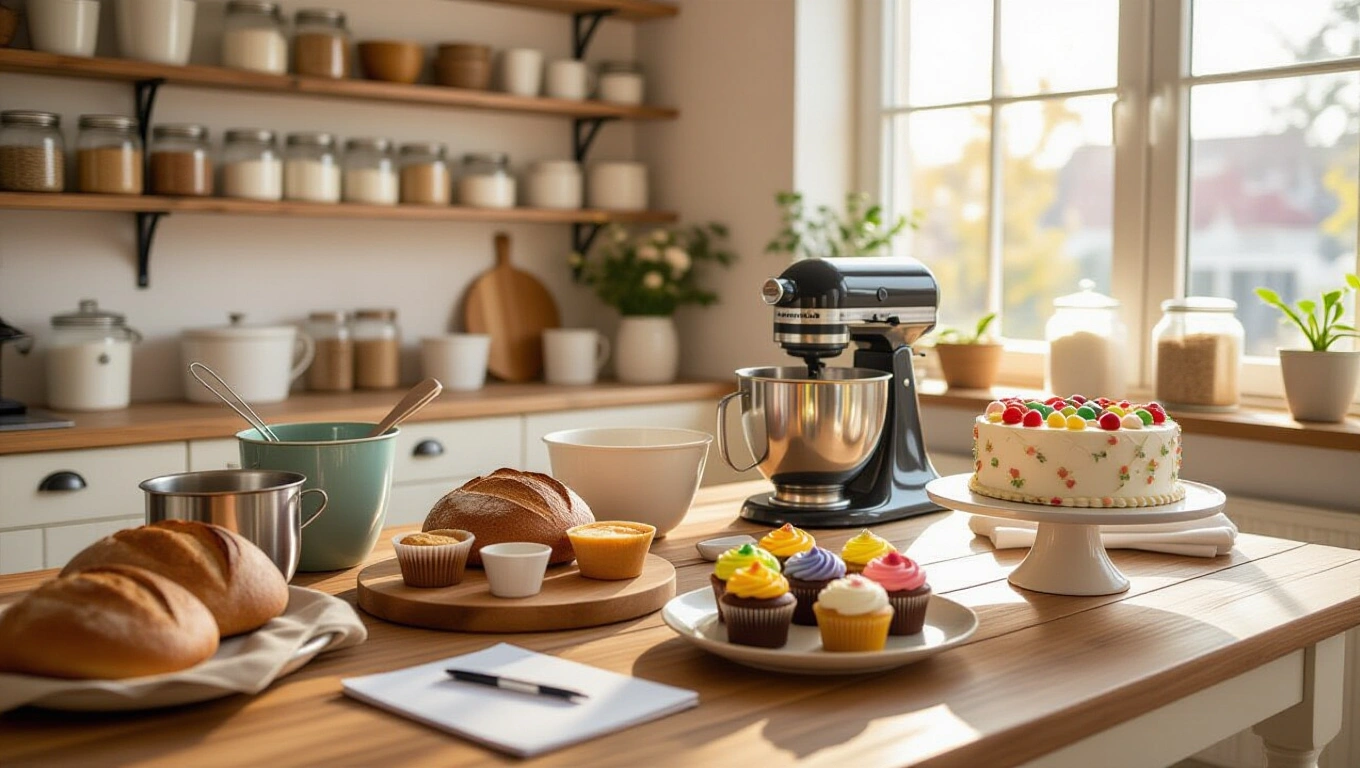
- Essential Equipment: Oven, mixer, baking sheets, cooling racks, measuring tools, and decorating supplies are your bread and butter (pun intended!).
- Storage Solutions: Invest in airtight containers to keep ingredients fresh and organized.
- Temperature Control: Keep an eye on your kitchen's temperature. It affects how your dough rises and your frosting sets.
4. Crafting Your Menu: What's Baking?
This is where your creativity shines!
- Signature Items: Develop a few items that are uniquely "you." What will make customers come back for more?
- Seasonal Specials: Offer limited-time treats that celebrate holidays and seasons. Pumpkin spice in the fall, anyone?
- Dietary Options: Consider offering gluten-free, vegan, or sugar-free options to cater to a wider audience.
- Pricing Strategy: Price your items competitively, while still ensuring a profit margin. Factor in ingredient costs, labor, and packaging.

5. Marketing Magic: Spreading the Word
You've got the goods, now you need to get the word out!
- Social Media: Instagram, Facebook, and Pinterest are your best friends. Post mouth-watering photos of your creations.
- Local Partnerships: Collaborate with coffee shops, cafes, and local businesses to sell your baked goods.
- Farmers Markets: Set up a booth at your local farmers market to reach a wider audience and get direct feedback.
- Website/Online Store: Consider creating a simple website or online store to take orders and showcase your menu.
- Word of Mouth: Encourage satisfied customers to spread the word. Offer referral discounts to incentivize them.
6. The Art of the Sale: Taking Orders and Delivering Happiness
- Order System: Set up a clear and easy-to-use ordering system. Consider using online forms, email, or a dedicated phone line.
- Payment Options: Offer various payment methods, such as cash, credit card, and online payment platforms like PayPal or Venmo.
- Packaging: Presentation matters! Invest in attractive and functional packaging that keeps your baked goods fresh and appealing.
- Delivery/Pickup Options: Decide whether you'll offer delivery, pickup, or both. Set clear guidelines for delivery areas and times.
7. Managing Finances: Dough, Dough, Dough!
- Separate Bank Account: Open a separate bank account for your bakery business to keep your personal and business finances separate.
- Track Expenses: Keep meticulous records of all your expenses, including ingredients, packaging, marketing, and equipment.
- Accounting Software: Consider using accounting software to track income and expenses, and to generate financial reports.
- Taxes: Understand your tax obligations and set aside money for taxes throughout the year.

8. Scaling Up: From Home to… Where?
- Assess Demand: Are you constantly swamped with orders? Is your kitchen bursting at the seams?
- Consider Options: Renting a commercial kitchen, hiring staff, or opening a storefront are all possibilities.
- Plan Ahead: Develop a growth strategy that aligns with your goals and resources.
Table: Startup Cost Estimates for a Home Bakery
| Item | Estimated Cost |
|---|---|
| Equipment (mixer, oven) | $500 – $2000 |
| Ingredients | $200 – $500 |
| Packaging | $100 – $300 |
| Permits & Licenses | $50 – $200 |
| Marketing Materials | $50 – $100 |
| Total (Estimated) | $900 – $3100 |
Frequently Asked Questions (FAQs)
1. Is it profitable to start a bakery from home?
Yes, it can be! The profitability depends on factors like your product quality, pricing strategy, marketing efforts, and operating costs. Focusing on a niche, controlling costs, and building a loyal customer base are key to success.

2. What equipment do I really need to start?
At a minimum, you'll need a reliable oven, a stand mixer, baking sheets, measuring cups and spoons, mixing bowls, and cooling racks. As you grow, you can invest in more specialized equipment.
3. How do I price my baked goods?
Calculate the cost of ingredients, add a reasonable amount for your labor, and factor in overhead costs like utilities and packaging. Research what other bakers in your area are charging and price your items competitively.
4. How do I get my home kitchen inspected?
Contact your local health department to schedule an inspection. They'll check for things like cleanliness, proper food storage, and adequate sanitation. Follow their guidelines carefully to ensure you pass the inspection.
5. What are the best ways to market my home bakery?
Social media is a powerful tool. Post high-quality photos of your baked goods, engage with your followers, and run targeted ads. Also, network with local businesses, participate in farmers markets, and encourage word-of-mouth referrals.
6. What if I don't have a lot of startup money?
Start small! Focus on a limited menu, use cost-effective ingredients, and market your business through free channels like social media and word of mouth. As you generate revenue, you can reinvest in your business.
7. Do I need a website for my home bakery?
While not essential at the very beginning, a website can greatly enhance your credibility and reach. It allows customers to view your menu, place orders, and learn more about your business. Consider starting with a simple website or online store.
8. How do I handle customer complaints?
Respond promptly and professionally to all complaints. Listen to the customer's concerns, apologize for any inconvenience, and offer a solution, such as a refund or a replacement. Turning a negative experience into a positive one can build customer loyalty.
So, are you ready to turn your baking passion into a business? Remember, it takes hard work, dedication, and a sprinkle of creativity to succeed. But with a solid plan, a delicious menu, and a dash of marketing magic, you can create a home bakery that's the talk of the town. Now, go forth and bake something amazing!