

Start a Grass Cutting Business: Your Step-by-Step Guide
So, you’re dreaming of starting your own grass-cutting business? Awesome! Imagine the fresh smell of cut grass, the satisfaction of a job well done, and the freedom of being your own boss. It's totally achievable, and this guide will walk you through every step. Let's get started!
Laying the Groundwork: Planning Your Grass-Cutting Empire
Before you fire up that lawnmower, you need a solid plan. Think of it as the blueprint for your success.
Market Research: Know Your Turf
First, who are your potential customers? Are there lots of busy professionals, elderly folks, or just people who hate mowing in your area? Knowing your market helps you tailor your services and prices.
- Identify your target customer: Homeowners, businesses, or both?
- Assess the competition: Who else is cutting grass in your area? What are their strengths and weaknesses?
- Determine demand: Is there enough work to go around?
Crafting Your Business Plan: The Seeds of Success
A business plan isn't just for banks; it's for you! It helps you clarify your goals, strategies, and how you'll make money.
- Executive Summary: A brief overview of your business.
- Company Description: What makes your business unique?
- Services Offered: Just mowing, or edging, trimming, and fertilizing too?
- Marketing and Sales Strategy: How will you find customers?
- Financial Projections: How much will you earn, and what are your expenses?
Legal Stuff: Ticking the Boxes
Don’t skip this part! Getting the legal side right protects you and your business.
- Business Structure: Sole proprietorship, LLC, or something else? Consult a legal professional to decide what is best for you.
- Licenses and Permits: Check local regulations for any required licenses or permits.
- Insurance: Liability insurance is a must to protect you from accidents or damages.
Equipping Your Arsenal: Gear Up for Green
You can’t cut grass without the right tools! Investing in quality equipment will save you time and effort in the long run.
Essential Equipment: The Bare Necessities
- Lawnmower: A reliable mower is your bread and butter. Consider a push mower for smaller lawns and a riding mower for larger properties.
- Trimmer/Edger: For those neat edges around sidewalks and flower beds.
- Leaf Blower: To clear away grass clippings and leaves.
- Safety Gear: Eye protection, ear protection, gloves, and sturdy boots are non-negotiable.
Nice-to-Haves: Level Up Your Game
- Lawn Vacuum/Bagger: Makes cleanup a breeze.
- Hedge Trimmer: Expand your services to include hedge trimming.
- Spreader: For fertilizing and seeding lawns.
- Trailer: To transport your equipment.
Maintenance: Keeping Your Gear in Tip-Top Shape
Regular maintenance is key to keeping your equipment running smoothly.
- Sharpen Blades: Dull blades tear grass, leading to unhealthy lawns.
- Change Oil: Follow manufacturer recommendations for oil changes.
- Clean Air Filters: Dirty air filters reduce engine performance.
- Regular Servicing: Schedule professional servicing for major repairs.

Finding Your Customers: Spreading the Word
Now that you're ready to mow, you need customers! Here’s how to attract them.
Marketing Strategies: Getting Noticed
- Flyers and Door Hangers: A classic but effective way to reach local customers.
- Online Advertising: Use social media and local online directories to promote your services.
- Website: A simple website with your contact information and services.
- Word of Mouth: Encourage satisfied customers to spread the word.
Pricing Strategies: What's Your Worth?
- Research Competitor Prices: See what other grass-cutting businesses are charging in your area.
- Consider Your Costs: Factor in your equipment, fuel, and labor costs.
- Offer Packages: Provide different service packages to cater to various needs and budgets.
- Be Competitive: Offer fair prices, but don't undervalue your services.
Here’s an example of how you might structure your pricing:
| Service | Price (Small Lawn) | Price (Medium Lawn) | Price (Large Lawn) |
|---|---|---|---|
| Basic Mow | $30 | $45 | $60 |
| Mow & Edge | $40 | $60 | $80 |
| Mow, Edge & Blow | $50 | $75 | $100 |
Building Relationships: Keep 'Em Coming Back
- Provide Excellent Service: Go the extra mile to ensure customer satisfaction.
- Be Reliable: Show up on time and complete the job as promised.
- Communicate Effectively: Keep customers informed about your schedule and any issues.
- Ask for Feedback: Use customer feedback to improve your services.
Mastering the Mow: Providing Top-Notch Service
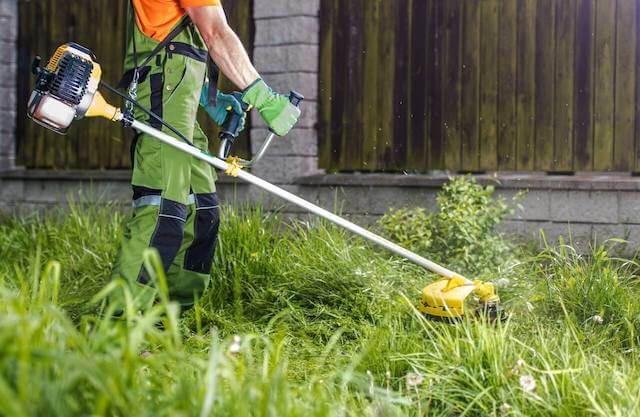
It's not just about cutting grass; it's about providing a service that customers love.
Lawn Care Tips: Knowledge is Power
- Mowing Height: Adjust your mower to the correct height for different grass types.
- Mowing Patterns: Alternate mowing patterns to prevent soil compaction.
- Watering: Advise customers on proper watering techniques.
- Fertilizing: Offer fertilizing services to keep lawns healthy and green.
Safety First: Protect Yourself and Others
- Clear the Area: Remove any obstacles before mowing.
- Wear Safety Gear: Always wear eye and ear protection.
- Be Aware of Surroundings: Watch out for children, pets, and obstacles.
- Handle Equipment Safely: Follow manufacturer instructions for operating and maintaining equipment.
Time Management: Work Smarter, Not Harder
- Schedule Efficiently: Plan your routes to minimize travel time.
- Use Technology: Utilize apps to manage appointments and invoices.
- Delegate Tasks: As your business grows, consider hiring employees to help with the workload.
Scaling Up: Growing Your Green Empire
Once you’ve established a solid customer base, you can start thinking about expanding your business.
Expanding Services: More Than Just Mowing
- Landscaping: Offer landscaping services such as planting flowers, shrubs, and trees.
- Gardening: Provide gardening services like weeding, pruning, and mulching.
- Snow Removal: Extend your services to include snow removal during the winter months.

Hiring Employees: Building a Team
- Start Small: Hire one or two employees to help with the workload.
- Look for Reliability: Choose employees who are dependable and hardworking.
- Provide Training: Train your employees on proper lawn care techniques and safety procedures.
- Offer Competitive Wages: Attract and retain good employees by offering fair wages and benefits.
Investing in Technology: Streamlining Operations
- Accounting Software: Use accounting software to manage your finances.
- Customer Relationship Management (CRM) Software: Utilize CRM software to manage customer interactions and track leads.
- Mobile Apps: Use mobile apps to schedule appointments, track time, and generate invoices.
Overcoming Challenges: Navigating the Green Mile
Running a grass-cutting business isn't always a walk in the park. Here are some common challenges and how to overcome them.
Weather Dependency: Adapting to the Elements
- Plan Ahead: Check the weather forecast regularly and adjust your schedule accordingly.
- Communicate with Customers: Keep customers informed about any delays due to weather.
- Offer Flexible Scheduling: Provide customers with options to reschedule their appointments.
Equipment Breakdowns: Staying Prepared
- Regular Maintenance: Perform regular maintenance on your equipment to prevent breakdowns.
- Keep Spare Parts: Keep a supply of spare parts on hand for quick repairs.
- Have a Backup Plan: Have a backup plan in place in case your equipment breaks down unexpectedly.
Competitive Market: Standing Out from the Crowd
- Offer Unique Services: Differentiate yourself from competitors by offering unique services.
- Provide Excellent Customer Service: Go the extra mile to ensure customer satisfaction.
- Build a Strong Brand: Create a strong brand identity and promote your business effectively.
FAQ: Your Burning Questions Answered
-
How much does it cost to start a grass-cutting business?
- Start-up costs vary depending on the equipment you choose. You can start with a few hundred dollars for a basic push mower and trimmer, or invest several thousand for a riding mower and other equipment.
-
Do I need a business license to cut grass?
- Yes, in most areas, you’ll need a business license to operate legally. Check with your local city or county government for specific requirements.
-
What type of insurance do I need?
- Liability insurance is essential to protect you from accidents or damages. You may also need worker's compensation insurance if you hire employees.
-
How do I find customers?
- Flyers, online advertising, word of mouth, and a simple website are all effective ways to attract customers.
-
How much should I charge for my services?
- Research competitor prices in your area and factor in your costs to determine a fair price. Offer different service packages to cater to various needs and budgets.
-
What if it rains?
- Flexibility is key. Communicate with your customers, reschedule appointments, and consider offering alternative services like gardening or landscaping.
Starting a grass-cutting business can be an incredibly rewarding experience. With careful planning, the right equipment, and a commitment to providing excellent service, you can build a thriving business that provides you with financial independence and the satisfaction of a job well done. So, what are you waiting for? Grab your mower and start building your green empire today!