
Charter Occupancy: Calculate it Easily! [Your Guide]
So, you're running a charter business, huh? That's awesome! But are you really maximizing your profits? Knowing how to calculate your occupancy rate is like having a secret weapon. It tells you exactly how well you're using your assets (your boats, buses, whatever charters you have) and where you can improve. Let's dive into how to figure this out, step by step.
Understanding Occupancy Rate for Charter Businesses
Occupancy rate is simply the percentage of available time or capacity that you're actually using. Think of it like this: if you have 100 seats on your tour bus and 80 of them are filled, your occupancy rate is 80%. Pretty straightforward, right? But for charter businesses, it can get a little more nuanced.
Why is Occupancy Rate Important?
Why should you even bother calculating this? Here’s the deal:
- Profitability: Higher occupancy generally means more revenue. Duh!
- Efficiency: It shows how efficiently you're using your resources.
- Pricing: It helps you set optimal pricing strategies. Are you undercharging? Overcharging? Occupancy rate can tell you.
- Marketing: Low occupancy might indicate your marketing isn't hitting the mark.
- Planning: It helps you forecast future demand and plan accordingly.
Basically, knowing your occupancy rate is like having a crystal ball for your business.
How to Calculate Occupancy Rate: The Formula
Okay, let's get down to the nitty-gritty. The basic formula for calculating occupancy rate is:
Occupancy Rate = (Actual Occupied Time or Capacity / Total Available Time or Capacity) x 100
Let's break that down with some examples. We'll look at different types of charter businesses to make it crystal clear.
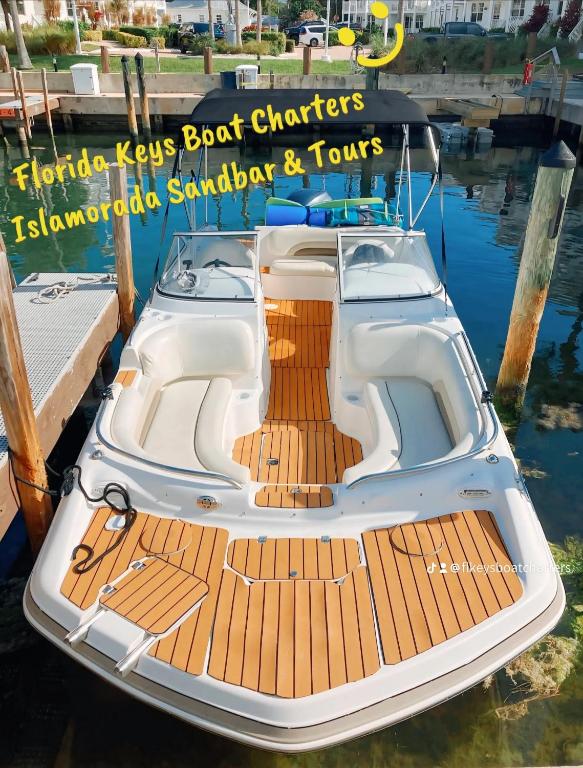
Calculating Occupancy for a Boat Charter Business
Let’s say you have a boat available for charter 7 days a week, 10 hours a day. That's 70 available hours per week. If you chartered the boat for 50 hours that week, here's the calculation:
Occupancy Rate = (50 hours / 70 hours) x 100 = 71.43%
So, your boat occupancy rate for that week is 71.43%. Not bad, but maybe there's room for improvement!
Factoring in Different Boat Sizes and Types
What if you have different sized boats? This is where it gets a little more complex, but stick with me. You can calculate occupancy based on revenue potential.
- Determine Potential Revenue: Calculate the maximum revenue each boat could generate if fully booked.
- Calculate Actual Revenue: Track the actual revenue each boat generates.
- Calculate Occupancy: (Actual Revenue / Potential Revenue) x 100
Let's say your yacht could potentially generate $10,000 per week if fully booked, but you only made $7,000. Your occupancy rate is (7000/10000) x 100 = 70%.

Calculating Occupancy for a Bus Charter Business
Bus charters are a bit different because you’re dealing with seats. Let's say you have a bus with 50 seats, and you ran 4 charters this week.
- Charter 1: 40 passengers
- Charter 2: 50 passengers
- Charter 3: 25 passengers
- Charter 4: 35 passengers
Total Passengers = 40 + 50 + 25 + 35 = 150 passengers
Total Available Seats = 50 seats/charter x 4 charters = 200 seats
Occupancy Rate = (150 passengers / 200 seats) x 100 = 75%
You’re rocking a 75% occupancy rate on your bus!
Calculating Occupancy for a Helicopter Charter Business
Helicopter charters often deal with time slots and specific routes. Suppose you offer a scenic tour that lasts 2 hours, and you offer it 3 times a day. That's 6 available hours per day.
If you flew for 4 hours today, your occupancy rate is (4 hours / 6 hours) x 100 = 66.67%.
Factoring in Weather and Maintenance Downtime
Remember to account for factors like weather cancellations and maintenance. If your helicopter was grounded for maintenance for 2 days this week, you need to adjust your "Total Available Time."
Table: Occupancy Rate Calculation Examples
| Charter Type | Actual Occupied | Total Available | Occupancy Rate |
|---|---|---|---|
| Boat | 50 hours | 70 hours | 71.43% |
| Bus | 150 passengers | 200 seats | 75% |
| Helicopter | 4 hours | 6 hours | 66.67% |
| Yacht | $7,000 revenue | $10,000 potential rev | 70% |
Tips to Improve Your Charter Business Occupancy Rate
So, you've calculated your occupancy rate. Now what? If it's lower than you'd like, don't despair! Here are some tips to boost those numbers:
- Dynamic Pricing: Adjust your prices based on demand. Higher prices during peak season, lower prices during off-peak.
- Targeted Marketing: Focus your marketing efforts on the right audience. Know who your ideal customer is and reach them where they are.
- Bundling: Create packages that offer more value. Think "sunset cruise with dinner" or "city tour with museum entry."
- Partnerships: Collaborate with local businesses, hotels, and tour operators.
- Loyalty Programs: Reward repeat customers with discounts and perks.
- Online Booking: Make it easy for people to book your services online. Optimize your website for mobile.
- Gather Reviews: Encourage satisfied customers to leave reviews. Positive reviews build trust and attract more business.
- Offer Unique Experiences: What makes your charter business stand out? Highlight unique aspects of your services. A themed pirate cruise, anyone?
Using Data to Optimize Occupancy: A Deep Dive
Don't just calculate your occupancy rate and forget about it. Use the data to make informed decisions.
- Identify Trends: Are there certain days or times that are consistently slow?
- Analyze Customer Feedback: What are people saying about your services? Are there common complaints or suggestions?
- Experiment: Try different pricing strategies, marketing campaigns, and package deals. Track the results to see what works best.
- Segment Your Audience: Different customer segments may have different needs and preferences. Tailor your offerings accordingly.
Common Mistakes to Avoid When Calculating Occupancy
It's easy to slip up when calculating occupancy. Here are some common mistakes to watch out for:
- Not Accounting for Downtime: Forgetting to factor in maintenance, weather cancellations, or other downtime.
- Using Inconsistent Data: Mixing different units of measurement (e.g., hours and days).
- Ignoring Different Capacities: Not accounting for different sizes or types of vehicles or vessels.
- Not Tracking Data Consistently: Failing to track data regularly and accurately.
- Not Using the Data: Calculating occupancy but not using the information to make improvements.
Tools and Software to Help You Track Occupancy
Tracking occupancy can be a pain if you're doing it manually. Luckily, there are plenty of tools and software solutions to help:
- Booking Systems: Many booking systems automatically track occupancy rates.
- Spreadsheets: You can create your own occupancy tracking spreadsheet using Excel or Google Sheets.
- Business Intelligence Tools: Tools like Tableau or Power BI can help you visualize your occupancy data and identify trends.
- Charter Management Software: Specialized software designed for charter businesses often includes occupancy tracking features.
FAQ Section: Occupancy Rate for Charter Business
Alright, let's tackle some common questions you might have about occupancy rates.
1. What is a good occupancy rate for a charter business?
There's no one-size-fits-all answer. A "good" occupancy rate depends on your specific business, location, and market conditions. However, a general benchmark is 70-80%. If you're consistently below 60%, you probably need to make some changes.
2. How often should I calculate my occupancy rate?
Ideally, you should calculate your occupancy rate at least monthly. Some businesses track it weekly or even daily. The more frequently you track it, the quicker you can identify and respond to trends.
3. What factors can affect my occupancy rate?
Many factors can affect your occupancy rate, including seasonality, weather, economic conditions, competition, marketing efforts, and pricing strategies. It's essential to monitor these factors and adjust your business accordingly.
4. Can I increase my prices if my occupancy rate is high?
Potentially, yes! A high occupancy rate indicates strong demand for your services. You might be able to increase your prices without significantly impacting occupancy. However, be careful not to price yourself out of the market. Test different price points and monitor the impact on demand.
5. What if my occupancy rate is low even though I'm offering competitive prices?
If you're offering competitive prices and still struggling with low occupancy, it might be time to re-evaluate your marketing efforts. Are you reaching the right audience? Is your messaging compelling? Are you offering unique experiences that differentiate you from the competition?
Conclusion: Take Control of Your Occupancy Rate
Calculating occupancy for a charter business isn't just about crunching numbers. It's about understanding your business, identifying opportunities, and making informed decisions. By tracking your occupancy rate and using the data to optimize your operations, you can boost your profitability and achieve long-term success. So, what are you waiting for? Start calculating, analyzing, and optimizing today! Go get 'em!