$1000 Business? How to Start a Small Business in Australia
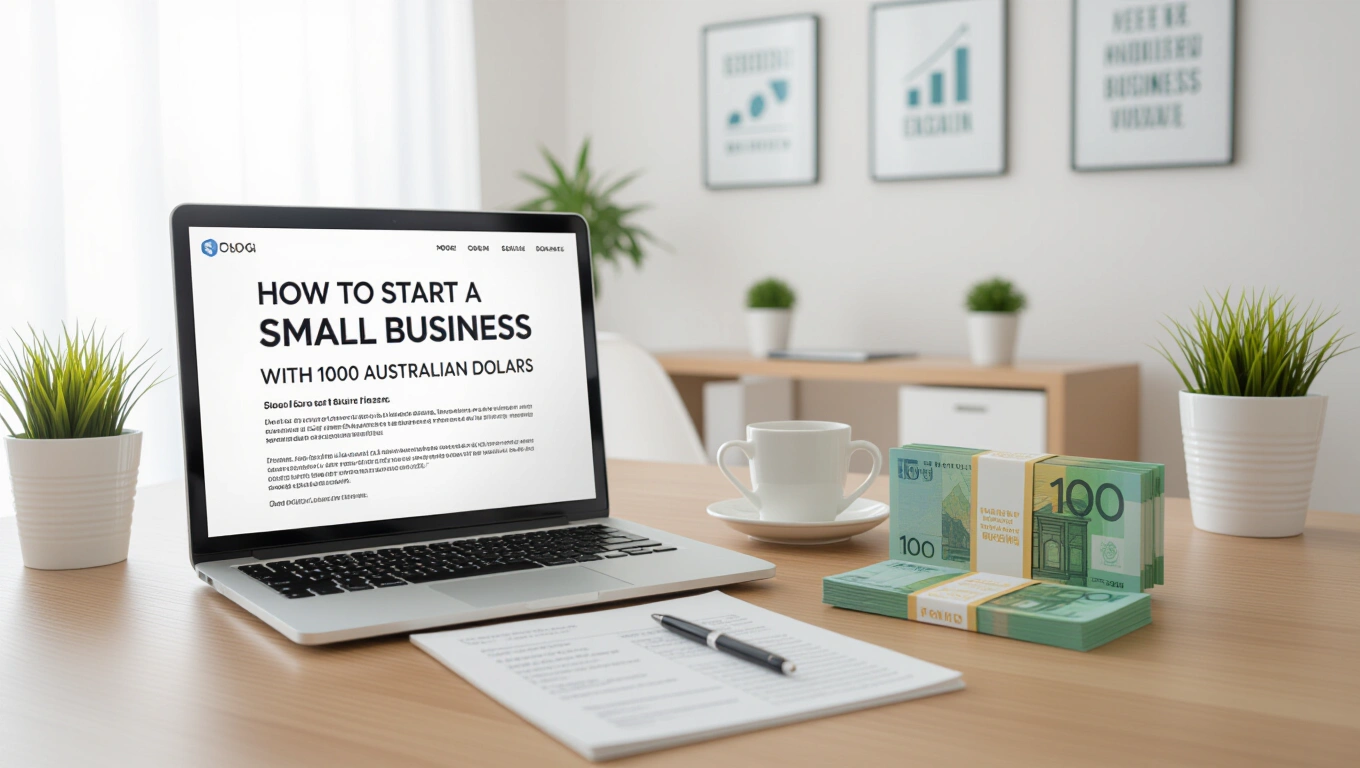
So, you've got 1000 Australian dollars burning a hole in your pocket and a dream of being your own boss? Fantastic! Starting a small business might seem daunting, but with a little creativity and hustle, you absolutely can do it. Let's dive into how to turn that grand (well, almost!) into a thriving venture.
Turning $1000 into a Business: Is It Possible?
Absolutely! It's all about smart choices, leveraging your skills, and focusing on low-overhead, high-potential ideas. Forget the fancy office – think lean, mean, and profitable. You don't need a fortune to start; you need a good idea and the determination to make it work.
Brainstorming Business Ideas on a Budget
Okay, let's get those creative juices flowing. What are you good at? What do people need in your area? Here are a few ideas to get you started:
- Freelance Services: Writing, editing, graphic design, social media management – the digital world is your oyster.
- Handmade Crafts: Got a knack for knitting, jewelry making, or painting? Etsy and local markets await!
- Mobile Car Detailing: People love a clean car. With some basic supplies, you can bring the sparkle to them.
- Personal Training (Online or Outdoors): Share your fitness passion and help others reach their goals.
- Gardening/Landscaping Services: Offer lawn mowing, weeding, or even planting services.
Choosing the Right Idea
Look, a shiny idea is great, but a viable idea is better. Ask yourself these questions:
- Is there a demand for this service or product? (Market research, even informal, is key!)
- What are my startup costs? (Can I keep it under $1000?)
- How quickly can I start making money? (Cash flow is king!)
- Am I passionate about this? (Because you'll be eating, sleeping, and breathing it!)
Creating a Business Plan (Even a Simple One!)
Don't run away screaming! A business plan doesn't have to be a 50-page document. It can be a simple outline:
- Business Idea: What are you selling?
- Target Market: Who are you selling to?
- Startup Costs: What will you spend your $1000 on?
- Pricing: How much will you charge?
- Marketing: How will you reach your customers?
- Financial Projections: How much money do you expect to make?
Startup Cost Breakdown
Here's an example of how you might allocate your $1000:
| Expense | Estimated Cost (AUD) |
|---|---|
| Marketing Materials | $150 |
| Basic Equipment/Supplies | $400 |
| Website/Online Presence | $250 |
| Licenses/Permits | $200 |
| Contingency Fund | Variable |
Variable: This is an important point to consider. Ensure you have a contingency fund for any unexpected costs that may arise.
Setting Up Your Business
Alright, time to get official!
Registering Your Business
Check the requirements in your state or territory. You might need to register your business name and obtain an Australian Business Number (ABN). The Australian Government Business website is a great resource.
Creating a Brand
Your brand is more than just a logo. It's your personality, your values, and what makes you unique. Choose a name, create a simple logo (Canva is your friend!), and define your brand voice.
Setting Up a Bank Account
Keep your personal and business finances separate. Open a business bank account to track your income and expenses.
Marketing Your Business on a Shoestring Budget
Marketing doesn't have to break the bank!
Social Media Savvy
Facebook, Instagram, TikTok – these platforms are free (or cheap!) and powerful. Create engaging content, run targeted ads (even with a small budget!), and interact with your audience.
Networking Like a Pro

Tell everyone you know about your business. Attend local events, join online groups, and hand out business cards (even digital ones!).
Leveraging Free Online Tools
Google My Business, Yelp, and other online directories can help people find you. Make sure your listings are accurate and up-to-date.
Managing Your Finances
Money management is crucial for success.
Tracking Income and Expenses
Use accounting software (like Xero or MYOB) or even a simple spreadsheet to track your income and expenses.
Setting Realistic Financial Goals
Don't expect to become a millionaire overnight. Set small, achievable goals and celebrate your progress.
Reinvesting Profits

As your business grows, reinvest a portion of your profits back into the business. This will help you scale and expand.
What are the legal requirements for starting a small business in Australia?
You'll need to register your business name, obtain an ABN, and comply with relevant regulations. Check with the Australian Securities & Investments Commission (ASIC) and your state/territory government for specific requirements.
What if I have no prior business experience?
Don't sweat it! There are plenty of resources available to help you learn the ropes. Take online courses, attend workshops, and find a mentor who can provide guidance and support.
How can I make my business stand out from the competition?
Focus on providing exceptional customer service, offering unique products or services, and building a strong brand. Identify your competitive advantage and highlight it in your marketing efforts.
What are some common mistakes to avoid when starting a small business?
Failing to do market research, underpricing your products or services, neglecting marketing, and not managing your finances properly are common pitfalls. Learn from others' mistakes and avoid making them yourself.
What if I fail?
Failure is a part of the learning process. Don't be afraid to take risks, but be prepared to learn from your mistakes. Analyze what went wrong, adjust your strategy, and try again. Resilience is key to success.
Frequently Asked Questions (FAQs)
-
Can I really start a business with just $1000?
Yes, absolutely! It requires creativity, resourcefulness, and focusing on low-cost business ideas. Think service-based businesses, online ventures, or leveraging skills you already have. The key is to minimize overhead and maximize your efforts.
-
What if I don't have a groundbreaking business idea?
You don't need to reinvent the wheel! Sometimes, taking an existing idea and putting your unique spin on it is enough. Focus on providing excellent service, targeting a specific niche, or offering a better customer experience than your competitors.
-
How important is marketing when I'm on a tight budget?
Marketing is essential, but it doesn't have to be expensive. Leverage free social media platforms, create engaging content, and network like crazy. Word-of-mouth marketing is incredibly powerful, so make sure your customers are happy.
-
What if I need more money later on?
As your business grows, you can explore options like microloans, crowdfunding, or even seeking investment from friends and family. But remember, the goal is to start small and grow organically.
-
What's the most important thing to remember when starting a business with limited funds?
Stay focused, stay persistent, and stay positive! Starting a business is a marathon, not a sprint. There will be challenges along the way, but with hard work and determination, you can achieve your goals.
So, there you have it! Starting a small business with 1000 Australian dollars is definitely achievable. It takes hard work, dedication, and a willingness to learn, but the rewards can be immense. Now go out there and make your entrepreneurial dreams a reality! What are you waiting for? Get hustling!